

Yes, you can build credit with an ITIN. Credit bureaus record accounts using your name, date of birth and address, and some card issuers, banks and credit unions accept an ITIN on applications. Expect fewer choices than with an SSN, and pay every bill on time.
Quick answer
Can you build credit with an ITIN?
Yes. Use a lender that accepts an ITIN, usually for a secured credit card or a credit-builder loan, and confirm it reports to the credit bureaus. Keep the balance low, pay on time every month, and after about six months of reported activity a FICO score can appear. Move the history to your SSN if you get one later.
Facts checked in November 2026 against official sources. Rules and fees change, so confirm with the provider before you act.
This research-based guide is for ITIN holders such as H-4 spouses without an EAD, dependants and others not eligible for an SSN. It follows the IRS, CFPB, Experian and FICO pages; it does not recommend specific products.
What an ITIN can and cannot do
The IRS says on its ITIN page that an ITIN is issued for federal tax purposes only. It does not authorise work, change your immigration status or serve as ID outside the federal tax system.

Nothing on that page stops a lender from accepting an ITIN as your taxpayer number. Each lender sets its own rules, so the number of options depends on the lender.
- An ITIN expires if it is not used on a federal tax return for 3 consecutive tax years, according to the IRS ITIN expiration FAQ. Keep it current if lenders know you by it.
- If you become eligible for an SSN, you cannot keep both. The IRS asks you to stop using the ITIN and notify it.
- Indian PAN and Aadhaar numbers are not accepted in place of either.
Can you build credit with an ITIN? How the bureaus see it
Experian says it matches accounts using all the details a lender reports, not the SSN alone. An account opened with an ITIN can appear on your report even though Experian treats the ITIN itself as an invalid Social Security number.
Use the same spelling of your name and the same address on every application. If your passport shows a single name, or your given name and surname appear in a different order on different documents, pick one format and stick to it.
Build credit with ITIN: the main options
The CFPB lists secured credit cards, credit-builder loans and store cards as ways to start a credit history. Debit cards, prepaid cards and payday loans do not build credit, because there is no borrowing reported to the nationwide bureaus.
| Option | How it works | Things to check first |
|---|---|---|
| Secured credit card | You pay a deposit, often equal to your limit, and use the card like any credit card | Accepts ITIN, annual fee, reports to all three bureaus, how the deposit is returned |
| Credit-builder loan | The bank or credit union holds the loan money while you repay over months, then releases it | Accepts ITIN, interest and fees, reports to all three bureaus |
| Store card | A retailer card with a low limit | Accepts ITIN, high interest rate if you carry a balance |
| Authorized user | Someone adds you to their card | Whether the issuer reports authorized users without an SSN |
Secured credit cards
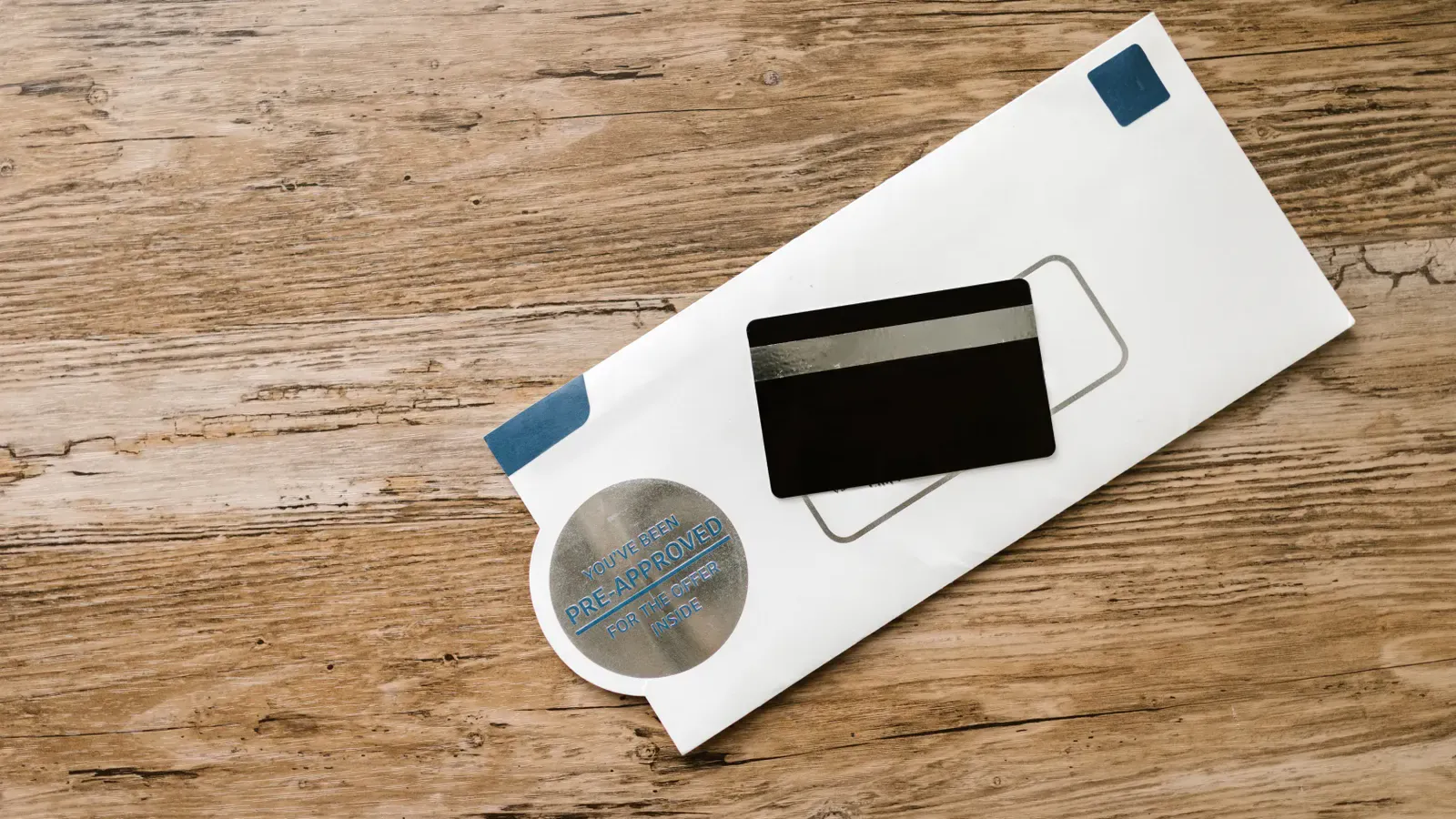
A secured card is a common first step, because your deposit lowers the lender’s risk. Fees vary, so read the terms before you pay anything. Approval is never guaranteed, even with a deposit.
Credit-builder loans
The CFPB says credit-builder loans from banks and credit unions are usually repaid over six to 24 months, and you receive the money at the end. Ask whether the lender accepts an ITIN and which bureaus it reports to.

Being added to a spouse’s card
Another route for H-4 families is being added to the H-1B spouse’s card. Our guide on how to become an authorized user without an SSN explains how reporting works without one.
How to apply when online forms ask for an SSN
Many online applications have a required SSN field, but that does not always mean the lender refuses ITINs. Look for an ITIN option on the form or the lender’s help pages, call the lender, or visit a branch.

- Open a checking account first; the bank or credit union where you already bank is a natural first place to ask. Our guide shows how to open a bank account with an ITIN instead of an SSN.
- Ask the lender: do you accept an ITIN, and do you report to Equifax, Experian and TransUnion?
- Apply for one product at a time, since each application can add a hard inquiry.
- Set up autopay for at least the minimum payment.
H-4 spouses may also find our guide to opening a bank account on an H-4 visa useful before applying.
Using the account so it counts
On-time payments matter most. Use a small part of your limit, pay the statement balance in full, and keep the account open.
Avoid these common setbacks:
- A payment 30 or more days late can be reported and stay on your report for years.
- Closing your only card can leave you with no active account being reported.
- Applying for several products at once adds several hard inquiries.
- Buying a so-called credit privacy number to use instead of your ITIN: Experian warns it may be considered identity theft and fraud.

FICO lists three minimum requirements for a score: an account open for at least six months, an account reported to the bureau in the last six months, and no deceased indicator. Our guide on how long it takes to get a credit score after moving to the US walks through the timeline.

To see your file without an SSN, read how to check your credit report without an SSN.
Frequently asked questions
Do all lenders accept an ITIN?
No. Each lender decides. Some card issuers, banks and credit unions accept an ITIN, while others require an SSN, and the way you apply can differ from the online form. Check the lender’s own application page or ask before you apply.
Can I get my credit report online with only an ITIN?
Usually not. AnnualCreditReport.com and the bureau sites ask for an SSN. Experian accepts a written request with your ID and proof of address, and you can ask Equifax and TransUnion what they accept.
How long does it take to build credit with an ITIN?
A FICO score needs at least one account open for six months and reported in the last six months. Building a strong history takes longer than that first score, so keep paying on time, keep your balances low and keep your oldest account open.
What happens to my ITIN credit when I get an SSN?
It does not move by itself. Give your SSN to every lender, write to Equifax, Experian and TransUnion to update your file, then check all three reports. Tell the IRS separately, because it does not share anything with the credit bureaus.
Next step: plan for the SSN
If you expect an EAD and an SSN, keep a list of every account you open now. When the SSN arrives, follow how to transfer your ITIN credit history to your SSN. If six months pass with no score, read what to do if you still have no credit score after 6 months.
Not sure which tool to start with? Compare a secured card vs a credit builder loan.
For the full roadmap, see our complete guide to building credit in the US as an immigrant.
To compare tools that accept an ITIN, see credit builder apps that work without an SSN.