

To receive money from India in the USA, give the sender your US bank’s international wire details: your name as on the account, account number, the bank’s SWIFT code and its address. The sender’s Indian bank or a licensed transfer service sends it under India’s Liberalised Remittance Scheme, and it lands in your US account as an incoming international transfer.
Quick answer
How do I receive money from India in the USA?
Ask your US bank for its incoming international wire instructions and share them with the sender: your full name, account number, the bank’s SWIFT code and address. The sender pays through an Indian bank or a licensed transfer service, within the LRS limit of USD 250,000 per financial year. Expect fees on both sides.
Facts checked in November 2026 against official sources. Rules and fees change, so confirm with the provider before you act.
Fee warning first: the Indian bank charges for the outward remittance, an intermediary bank may deduct a fee on the way, and many US banks charge for incoming international wires. The exchange rate the sender gets is a cost too.
How to receive money from India in USA: the details to share
Most US banks publish incoming international wire instructions in online banking or on their help pages. Some route wires through a correspondent bank, so copy the bank’s instructions exactly instead of building them yourself.
| Detail | Where to find it | Watch out for |
|---|---|---|
| Your full name | Your account or statement | Must match the account exactly |
| Account number | Online banking | Checking or savings, as the bank specifies |
| SWIFT or BIC code | Bank’s international wire instructions | Some banks use a different code for incoming wires |
| Bank name and address | Same instructions page | Use the address on the instructions, not your branch |
| ABA routing number | Online banking | Used for US domestic wires; ask if the bank needs it |
| Your US address | Your records | Some Indian banks ask for the beneficiary address |
Send the details in writing, not over a call, and confirm them with the sender before the first transfer. A wrong digit can delay the money for days or send it back with fees taken off.

If you are still opening your first US account, our guide to an F-1 student bank account covers what to bring. Students comparing banks can also read about the best bank for international students in the USA.
Ways the money can be sent from India
The sender usually chooses one of these routes. Compare the total cost, including the exchange rate.
| Route | How it works | Good for |
|---|---|---|
| Indian bank outward remittance | Sender’s bank wires dollars to your US account | Large amounts, family support |
| Licensed online transfer service | Sender pays in rupees, provider pays out in the US | Smaller, regular amounts, if the provider covers India to US |
| Direct payment to a US university | Sender pays the university’s own bank details | Tuition, so it does not pass through your account |
For tuition, ask the university’s bursar for its international payment instructions and give the reference number it requires. Paying the university directly keeps the purpose clear on the Indian side.
The sender’s side: LRS limit and TCS
Indian residents send money abroad under the RBI’s Liberalised Remittance Scheme, which allows up to USD 250,000 per financial year (April to March). Its list of permitted purposes includes studies abroad, gifts and maintenance of close relatives abroad. The sender’s bank will ask for their PAN and a remittance form stating the purpose.
Indian banks also collect TCS (tax collected at source) on LRS remittances above a yearly threshold, at rates that depend on the purpose. TCS is credited against the sender’s income tax rather than being a separate charge. The rules moved into India’s new Income-tax Act from April 2026, so the sender should ask the bank or a chartered accountant for the current rate.
If you are moving your own money
If you are a non-resident Indian moving your own savings, the rules are different. NRE balances can be sent abroad freely, while the RBI allows up to USD 1 million per financial year from NRO balances, after Indian tax is settled and with a chartered accountant’s certificate. Our guide to opening an NRE account from the USA explains the difference between the two accounts.

The US side: is it taxable and do you report it?
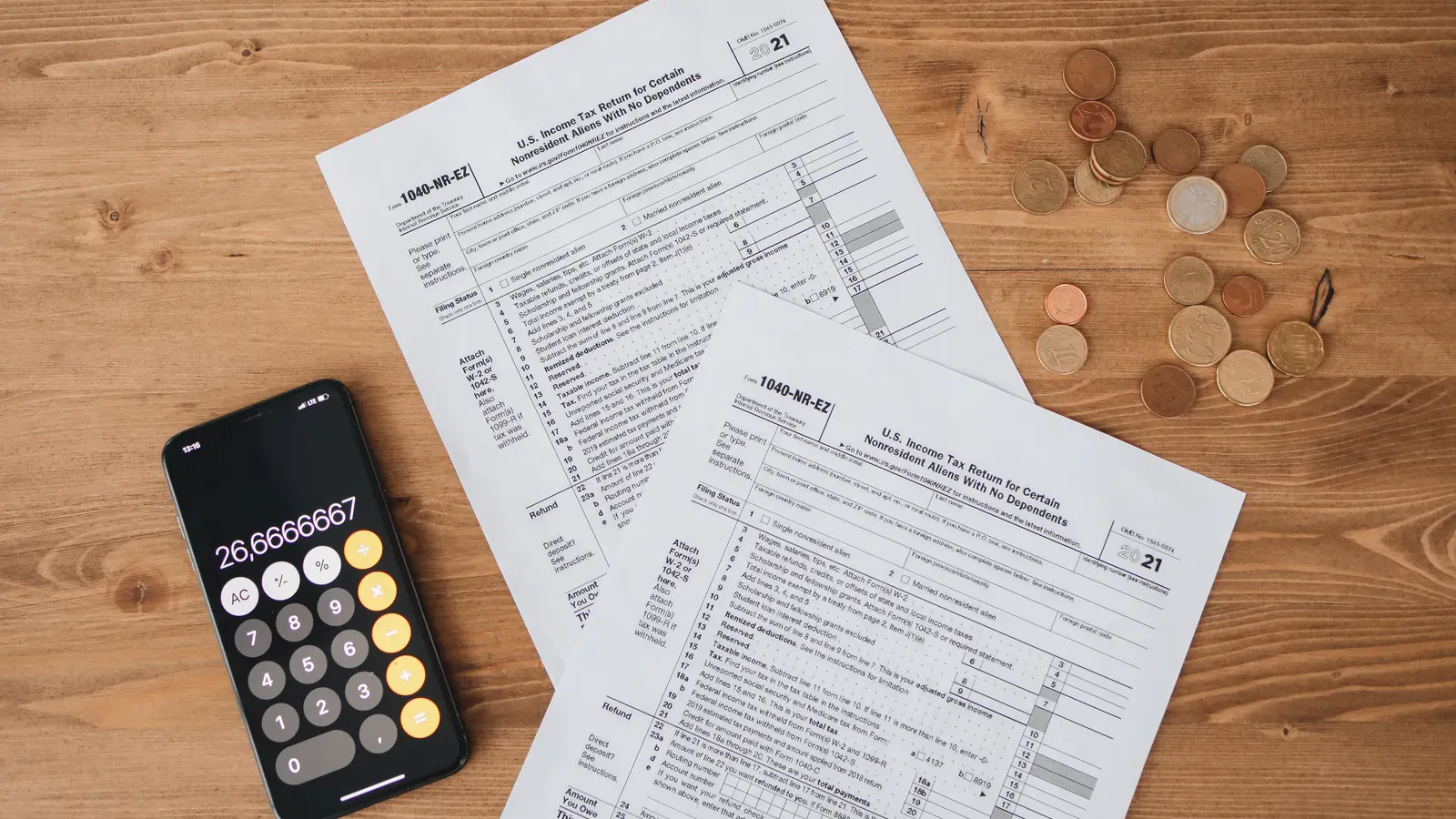
Money a parent sends you as a gift is not wages, and the IRS describes a foreign gift as an amount the recipient excludes from income. Reporting is a separate question. The IRS page on gifts from foreign persons says a US person who receives more than $100,000 in a tax year from a nonresident alien individual must report it on Part IV of Form 3520.
The form is filed separately from your tax return, and the IRS lists a penalty of 5% of the gift per month it is not reported, up to 25%. Whether you are a US person for tax depends on your status and days in the US: many F-1 students are nonresident aliens, while many H-1B workers are residents. Ask a tax professional about your own case.
If you also hold accounts in India, those have their own US reporting rules; see our guide to FBAR rules for Indian bank accounts.
How long it takes and how to track it
Timing depends on the route, the banks involved and cut-off times in both countries. Bank wires often pass through an intermediary bank, which can add a day. If money has not arrived, ask the sender for the bank’s transfer reference and give it to your US bank, which can trace the incoming wire.
The reverse direction works the same way; our guide on how long it takes to send money to India explains what slows a transfer, and wire transfers from a US bank to India shows the wire process from the US side.

Frequently asked questions
Is money from my parents in India taxable in the USA?
The IRS describes a foreign gift as an amount the recipient excludes from income. A US person who receives more than $100,000 in a tax year from a nonresident alien must report it on Form 3520. Ask a tax professional how this applies to you.
How much money can my parents send me from India?
Under the RBI’s Liberalised Remittance Scheme, a resident individual can send up to USD 250,000 per financial year, April to March, for permitted purposes such as studies, gifts and maintenance of close relatives. Their bank may also collect TCS above a yearly threshold.
Do I pay a fee to receive money from India?
Often yes. Many US banks charge for incoming international wires, and an intermediary bank may deduct a fee before the money arrives. Ask your bank for its incoming wire fee and check your account agreement.
What details do I give for an international wire from India?
Give your full name as on the account, account number, your bank’s SWIFT code and address, and any correspondent bank details your bank lists. Copy your bank’s own incoming international wire instructions exactly.
Next step: money flowing the other way
Most families send money in both directions over the years. When it is your turn to send support home, start with our full guide to sending money to India from the USA, and see how the exchange rate markup between USD and INR affects every transfer.