
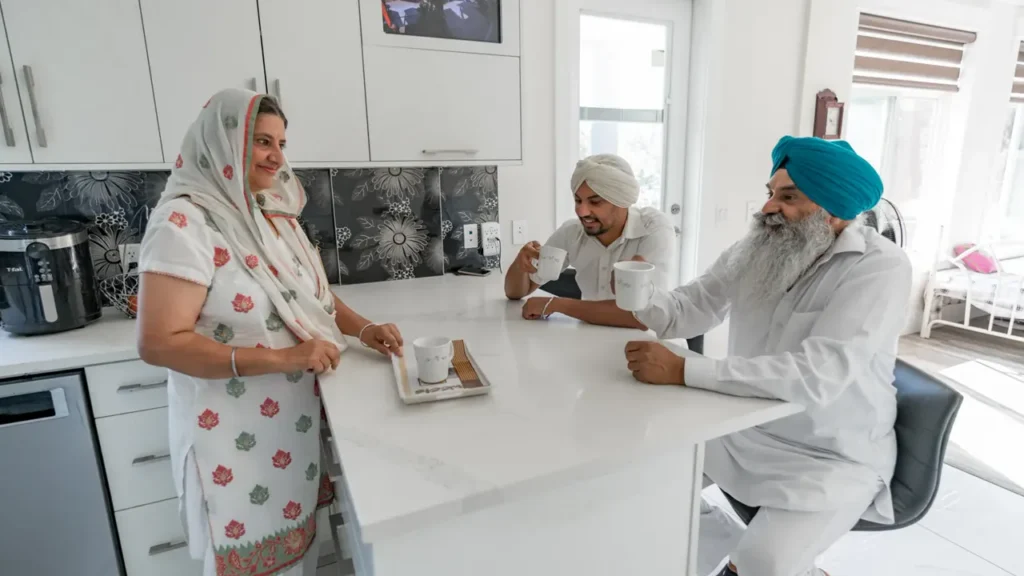
Sometimes, yes. No federal law stops a bank from letting you open a bank account on a visitor visa, and the federal ID rule lets banks accept a passport from a non-US person, but each bank decides whether it will serve B-1 or B-2 visitors. Many will not, and a visitor who is staying a few weeks is often better served by a card from home.
Quick answer
Can you open a US bank account on a B1/B2 visitor visa?
A B-1 or B-2 visitor can sometimes open a US bank account at a branch with a passport, visa and a residential address, because federal rules allow a passport as ID. But it is each bank’s choice, many decline short-term visitors, and an Indian debit or forex card is often the simpler option.
Facts checked in November 2026 against official sources. Rules and fees change, so confirm with the provider before you act.
This guide is written with one common reader in mind: Indian parents visiting a son or daughter in the US, plus B-1 business visitors. Forum threads on this question are full of single stories, so treat any “bank X opened mine” post as anecdotal.
Open bank account on visitor visa: what the rules say
Banks follow the Customer Identification Program rule, 31 CFR 1020.220. For a non-US person, the bank must collect a name, date of birth, address and an ID number, and the ID number can be a passport number and country of issuance. So the law itself does not demand an SSN or a green card.
The address rule is stricter than many visitors expect. The bank needs a residential or business street address, and a plain post office box does not meet it. Banks then layer their own policies on top, such as requiring a US address, a minimum stay or an existing relationship.
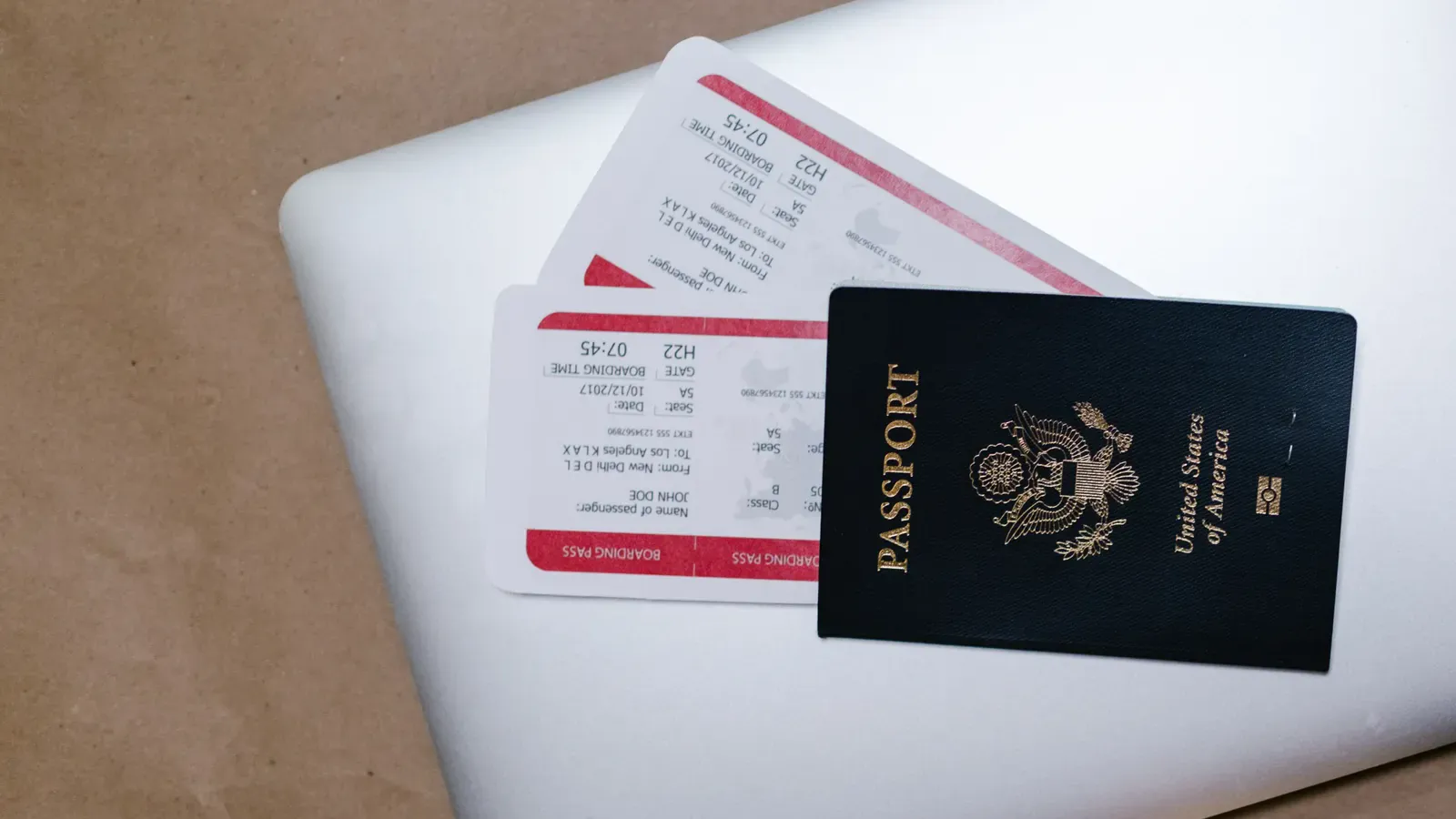
What a branch will usually ask a visitor for
If a bank is willing, expect a branch visit rather than an online form. Online applications usually expect an SSN, as our guide on whether you can open a bank account online without an SSN explains.
| Document | Why the bank asks | Note for Indian visitors |
|---|---|---|
| Passport with valid visa | Primary photo ID and ID number | Indian passport works as the ID |
| I-94 record | Shows your admission and stay dates | Download it from the CBP I-94 website |
| Second ID | Some banks want two IDs | PAN and Aadhaar are not US ID, but some banks may still look at them |
| Street address | Required by the federal ID rule | Ask whether an Indian address is accepted |
| Opening deposit | Bank’s minimum to open | Bring a card or cash; ask the amount first |
| Tax form | Nonresidents usually sign Form W-8BEN | The bank will provide it |
Call the bank or ask at the branch before the visit. Ask plainly: do you open personal accounts for B-2 visitors, and what do you need from me?
Why many visitors are turned down
A refusal is usually about bank policy, not the law. A short stay, no US address, no SSN for the bank’s online systems and no US credit history all make a visitor harder for the bank to verify and keep.
Getting an ITIN does not fix this. The IRS issues ITINs for federal tax purposes, and a visitor with no US tax filing need generally does not qualify just to open an account. Our guide on whether you can open a bank account with an ITIN instead of an SSN covers who an ITIN is for.
If a branch says no, ask for a personal banker or try another branch. Our guide on what to do when a bank asks for an SSN you don’t have covers how to ask.
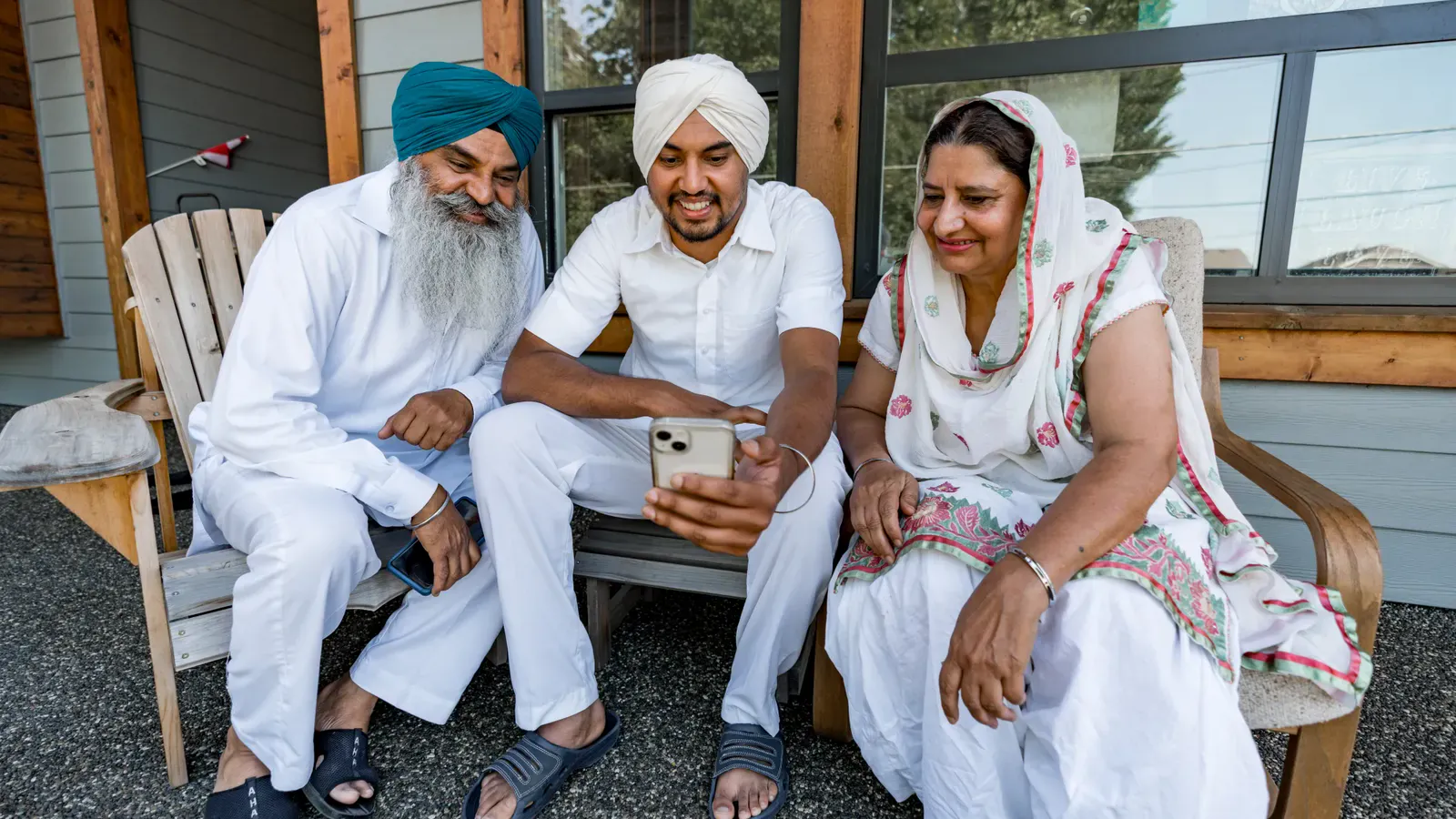
Risks to think about before you open one
A bank account is legal to hold, but how you use it matters. The US State Department’s visitor visa page lists employment among the activities a visitor visa does not allow.
- Do not use the account to receive pay for work in the US.
- Accounts left unused after you return home can be charged fees, closed, or eventually handed to the state as unclaimed property.
- Some banks close accounts when the holder lives abroad, so ask before you leave.
- Visa questions about your situation belong with an immigration attorney.
On the Indian side, the RBI’s Liberalised Remittance Scheme lets resident individuals hold foreign currency accounts abroad within the scheme’s annual limit. A resident who holds a foreign bank account generally has to report it in the Indian income tax return, so ask a chartered accountant before you open one.
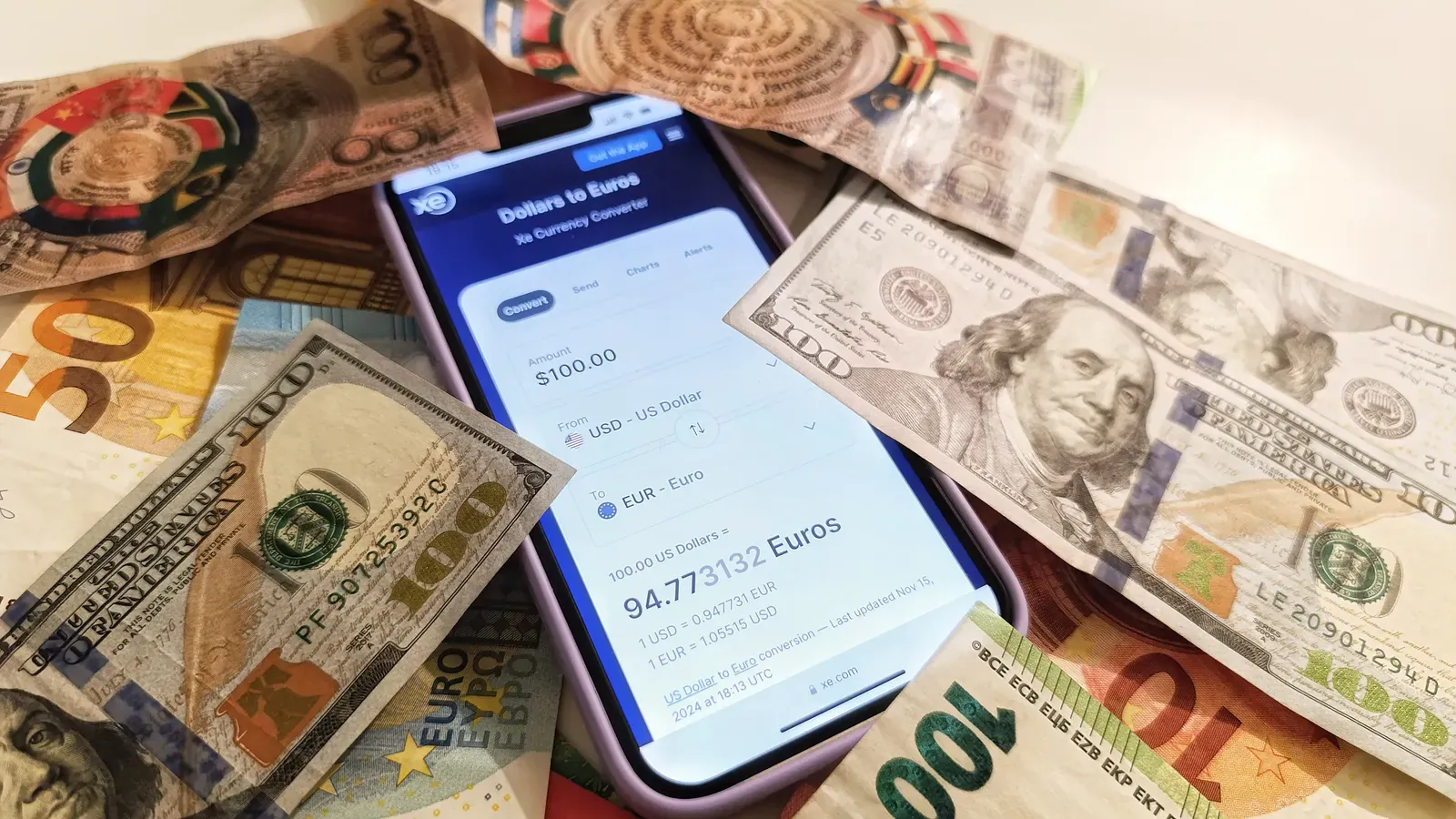
Options that often work better for visiting parents
For a visit of a few weeks or months, most visitors do not need a US account at all. Compare these before you spend a day at a branch.
| Option | Good for | Watch out for |
|---|---|---|
| Indian debit or credit card | Everyday spending and ATM cash | Enable international use; ask about forex markup and fees |
| Forex travel card from an Indian bank | Loading dollars at a known rate | Loading fees, reload limits, unused balance |
| Child pays or adds parent as authorized user | Family covers costs directly | Issuer rules for authorized users vary |
| US bank account at a willing branch | Longer stays, regular US costs | Address rules, fees, closure after you leave |
Adding a visiting parent as a joint owner on a son’s or daughter’s account is usually not a good idea. A joint owner typically has full access to the money, and the account’s tax reporting and the bank’s ID checks then apply to both people.
If you are the son or daughter
Your own account does the heavy lifting during the visit. If you are on a work visa, see how to open a bank account on an H-1B visa before your SSN arrives, and use your bank’s Zelle access to split costs, as explained in how to use Zelle without an SSN.

If you are on a B-1 business trip
Business visitors usually have the least need for a personal US account. An employer in India normally covers trip costs through a corporate card or reimbursement, and a visitor visa does not allow you to take a salary from a US source. If your company is setting up a US entity, its bank account belongs to the company, which is a separate process for the company’s advisers.
Frequently asked questions
Can a B-2 tourist get an SSN to open a bank account?
Generally no. The Social Security Administration issues SSNs mainly to people with permission to work, and a B-2 visa does not allow work. Visitors who open accounts do so with a passport, if the bank agrees.
Can I keep my US account after I go back to India?
Possibly, but ask the bank first. Some banks restrict or close accounts for customers living abroad, and unused accounts can attract fees or be treated as dormant. An Indian resident should also ask a chartered accountant about reporting the account in the Indian tax return.
Does a US bank account help or hurt my next visa application?
There is no published rule saying it does either. Consular officers look at your overall circumstances and the purpose of each trip. If you have a specific concern, ask an immigration attorney.
Next step: plan the visit around the family’s accounts
If your stay is short, set up international use on your Indian card and let your family handle US-only payments. If your son or daughter is still arranging their own banking before the move, read how to open a US bank account from India before you move.
For the full picture, see our guide to how to open a bank account in the US as a foreigner.