
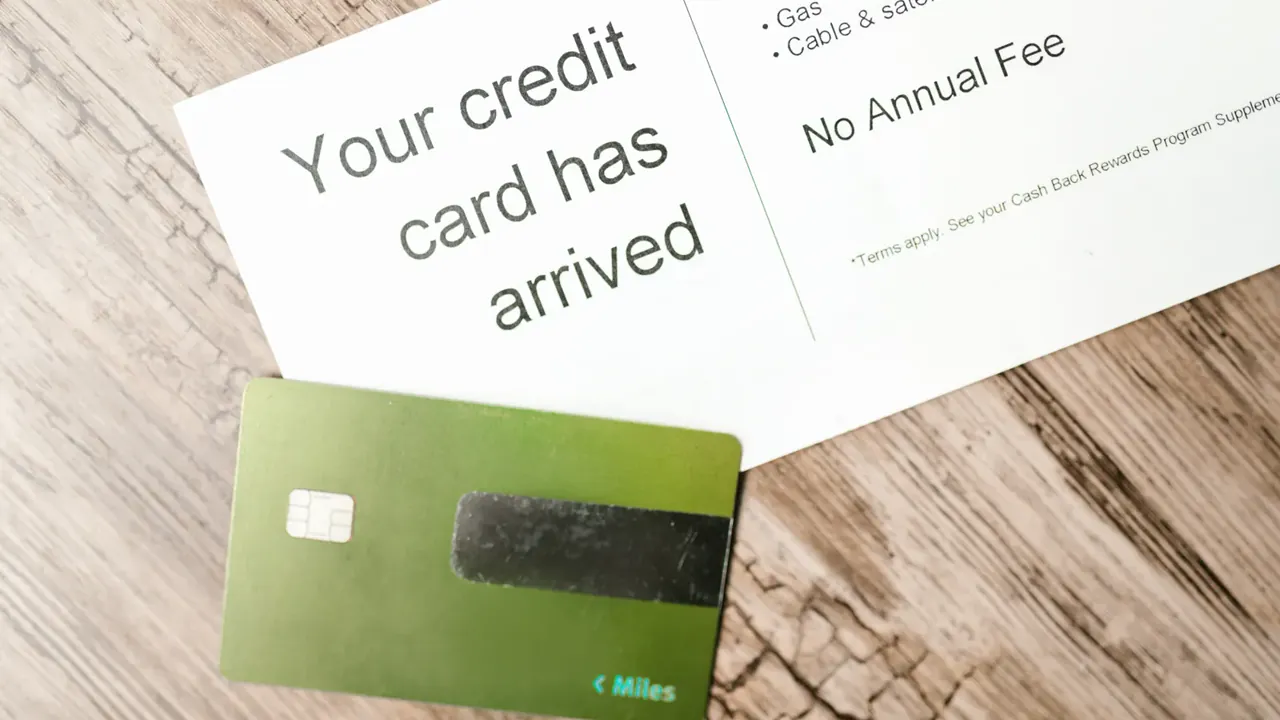
To use a secured credit card well, put down the deposit, make one or two small purchases a month, keep the statement balance low and pay it in full by the due date. Turn on autopay so a payment is never missed. After six to twelve months of clean use, ask the issuer about moving to an unsecured card and getting the deposit back. Our guide to secured card graduation explains that step.
Quick answer
How do you use a secured credit card to build credit?
Pay the deposit, then put one small, regular bill on the card. Let the statement show a low balance, well under 30% of the limit, and pay the full statement balance by the due date every month with autopay as a backup. Never miss a payment, and ask about graduating to an unsecured card after six to twelve months.
Facts checked in November 2026 against official sources. Rules and fees change, so confirm with the provider before you act.
Cost warning first: secured cards often carry higher interest rates than regular cards, and some charge an annual, activation or monthly fee. If you pay the full statement balance every month and pick a card with no annual fee, the card can cost you nothing beyond the deposit you get back later.
How a secured card works
A secured card is a real credit card backed by a cash deposit. The FTC’s guide to credit, secured, debit and prepaid cards says the deposit is often a percentage of the limit, sometimes up to 100%, and that you usually get it back when you pay off the balance and close the account. It also warns that costs tend to be higher than on unsecured cards.
You still owe every purchase, and late payments are still reported. If you are still choosing, our comparison of a secured card vs a credit builder loan covers that decision.
Step 1: Pay the deposit and check the limit
Most issuers take the deposit from a US bank account after approval. Capital One’s Platinum Secured page, for example, says a refundable deposit of $49, $99 or $200 opens the account with a starting limit of at least $200, and that depositing more before activation can raise the limit (checked in November 2026). Other issuers set the limit equal to the deposit.

If your savings are still in India, move the money to your US checking account first and pay the deposit from there. A larger deposit gives a larger limit, but only deposit money you will not need for rent or emergencies.
Before you apply, confirm the card reports to Equifax, Experian and TransUnion. If you have an ITIN rather than an SSN, see which secured credit cards you can get without an SSN, since the tax ID rules differ by issuer.
Step 2: Learn your statement date and due date
The statement closing date ends each monthly cycle; the balance on that date becomes your statement balance. The due date comes later, at least 21 days after the statement is sent under federal card rules.
Experian notes that card balances are usually reported to the bureaus weeks before the due date. In practice, the balance on your statement is usually the balance the bureaus see, even if you pay it off in full a few weeks later.

A one-month example
Say you have a $200 limit, your statement closes on 10 March and the payment is due on 4 April.
| Date | What happens | What the bureaus may see |
|---|---|---|
| 15 February | You pay a $25 phone bill with the card | Nothing yet |
| 10 March | Statement closes with a $25 balance | $25 of $200, about 13% used |
| 4 April | Autopay pays the full $25 | An on-time payment |
| 10 April | Next statement closes | The new month’s balance |
Now say you spent $180 instead. The statement would show 90% of your limit in use, and that number could reach your report before you pay. Paying most of it down a few days before 10 March would fix that.
Step 3: Keep the reported balance low
How much of your limit you use, called credit utilisation, is part of the “amounts owed” factor that makes up about 30% of a FICO Score. On a $200 limit, 30% is only $60, so a single grocery run can push you past it.
- Put one small, predictable bill on the card, such as a phone plan or a streaming subscription
- Keep large purchases on your debit card while the limit is small
- If you need to spend more, pay part of it before the statement closes
- Do not run the balance to zero by never using the card: an unused card shows little activity
Step 4: Pay in full, every month, with autopay
Payment history is the largest part of a credit score, and one payment 30 days late can stay on your reports for years. Set up autopay for the full statement balance from your checking account as soon as the card arrives. If you prefer to pay by hand, keep autopay on the minimum payment as a safety net.

Paying only the minimum avoids a late mark but costs interest on the rest. Keep enough in checking so autopay never bounces.
How to use a secured credit card if you are new to the US
A FICO Score generally needs an account that has been open for six months and reported recently, so the card’s first months are about building a clean record. Our guide on how long it takes to get a credit score after moving to the US explains the timeline.
- Your CIBIL history from India does not move to US bureaus, so the secured card starts a new file
- If you used an ITIN to open the card, keep the same name and address on every account; see how to build credit with an ITIN
- Check your reports after a few months to confirm the card appears; you can check your credit report without an SSN by mail
- If you may leave the US, plan to close the card in good standing before you go
Step 5: Graduate to an unsecured card
Graduation means the issuer turns your secured card into a regular card and refunds the deposit. Capital One’s page says you “could earn back your deposit and upgrade to an unsecured card”; it does not promise a fixed date. Review timelines change, so ask the issuer rather than trusting a figure on a third-party site.

After about six to twelve months of on-time payments, ask the issuer three questions: does it review accounts for graduation automatically, can you request a review, and will the account keep its age if it converts? Keeping the same account open keeps its history on your report.
If the issuer will not graduate you, you can apply for an unsecured card elsewhere once your score appears. If you were turned down before, our guide to a credit card denied for no credit history covers what to change.
Frequently asked questions
How much of a secured card limit should I use?
Keep the statement balance low, ideally well under 30% of the limit. On a $200 limit that means under $60 when the statement closes. Paying part of a larger balance before the closing date keeps the reported number small.
Do I get my secured card deposit back?
Usually yes. The deposit is refunded when you close the account with the balance paid off, or when the issuer upgrades you to an unsecured card. Ask the issuer how long the refund takes.
Should I pay my secured card before the statement date?
Pay before the statement date if your balance is high, so a lower balance is reported. If the balance is already small, paying the full statement balance by the due date is enough.
Next step: build the rest of your file
A secured card is one tool; whether paying rent builds credit is another. For the full plan, read how to build credit in the US as an immigrant. If six months pass with no score, see why you may have no credit score after 6 months.