
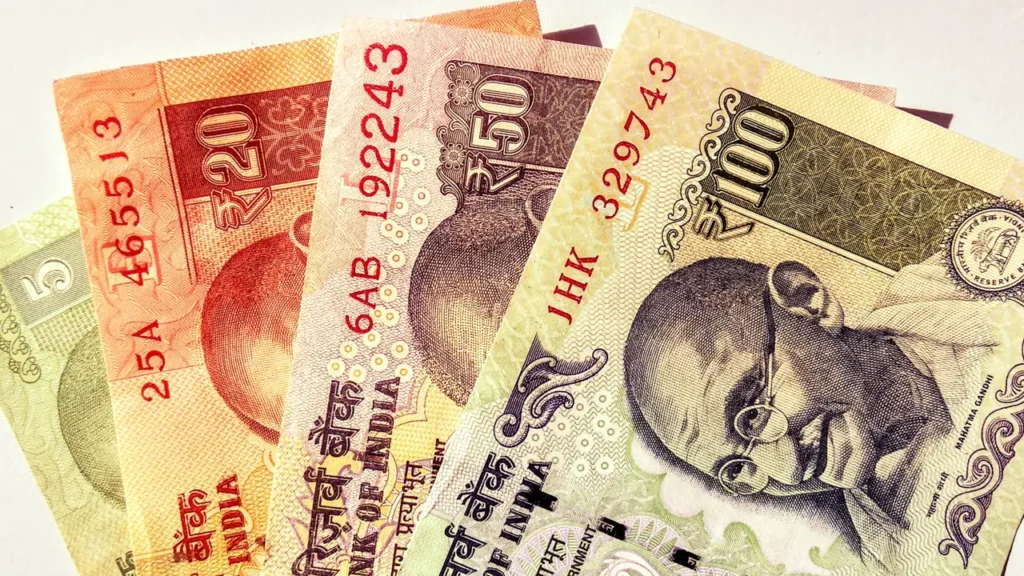
The purpose code for sending money to India is the reason for the transfer, written in the Reserve Bank of India’s code list. For family support from a non-resident Indian it is usually P1301, for a personal gift P1302, and for money into your own NRE account P0014. Most US apps ask in plain words and map your answer to a code, so the key step is picking the reason that matches what the money is for.
Quick answer
Which purpose code should I use for sending money to India?
Pick the reason that matches the money. RBI’s receipt codes include P1301 for family maintenance and savings sent by Indian non-residents, P1302 for personal gifts and P0014 for deposits into non-resident accounts such as NRE. A wrong purpose can delay or reject the transfer, so check before you pay.
Facts checked in November 2026 against official sources. Rules and fees change, so confirm with the provider before you act.
This research-based guide is written for people in the US who send money home to family, gifts or savings. It is not tax advice: the purpose you choose is a reporting label for the Indian bank, not a tax decision.
What a purpose code is and why Indian banks need one
Every foreign payment into India has to be reported by the receiving bank under India’s foreign exchange law. The code tells the bank and the RBI what kind of money it is: family support, a gift, an investment, an export payment and so on.
The codes come from RBI’s list of purpose codes for reporting forex transactions (receipt purposes). Codes that start with P describe money coming into India. Codes that start with S, such as S1301, describe money going out of India, so ignore them when you send from the US.
You rarely type the code yourself. Wise, for example, offers plain options such as sending money home to family, savings, deposit to NRE accounts and education expenses, then reports the code for you.

The purpose code for sending money to India: common choices
These are the RBI receipt codes most individual senders meet. The middle column shows the kind of plain-language option an app or bank form usually shows.
| What the money is for | Typical option in an app | RBI code | What the receiving bank may ask |
|---|---|---|---|
| Living costs for parents or family | Family support or sending money home | P1301 | A disposal instruction from the recipient on how to credit the money |
| A gift for a wedding, birthday or festival | Gift | P1302 | Relationship to the sender and both people’s residential status |
| Your own NRE or FCNR(B) account | Deposit to NRE account | P0014 | A disposal instruction, with the account in your own name |
| Donation to a temple or charity | Donation | P1303 | Government approval held by the receiving institution |
| Tuition, property or a loan payment | Education, property purchase or loan repayment | Set by the provider | Ask the provider which code it reports |
The descriptions in the first and third columns come from RBI’s list. The document notes in the last column come from HDFC Bank’s 2026 purpose-code checklist, and other banks may ask for different papers.
P1301: family maintenance and savings
RBI describes P1301 as an inward remittance from Indian non-residents towards family maintenance and savings. It fits the most common case: an NRI in the US sending money each month for parents’ household costs, medicines or a sibling’s expenses.
The wording refers to Indian non-residents. If you are not an Indian citizen or of Indian origin, ask your provider which purpose it suggests before you choose P1301.
HDFC Bank’s checklist lists a disposal instruction as mandatory for P1301. In practice, the person receiving the money may get a call or email from their bank asking how to credit it, so tell them to expect it.

P1302: personal gifts and donations
Use the gift option when the money is a one-time present rather than regular support, such as cash for a wedding or a festival. HDFC’s checklist says that for P1302 it needs the relationship between sender and receiver and the residential status of both.
The same checklist says that when the sender is a foreign national and the gift is above INR 10 lakh, the customer must report it under India’s foreign contribution law in Form FC1. This can matter for US citizens and other foreign passport holders; ask the Indian bank before sending a large gift.
Whether a gift is taxed is a separate question from the code. Read how much money you can send to India from the USA without tax, and ask a tax professional about your own case.

P0014: money into your own NRE account
If you are moving your own US savings into your NRE or FCNR(B) account, choose the NRE deposit option rather than family support. RBI’s list describes P0014 as receipts on account of non-resident deposits such as FCNR(B) and NR(E)RA.
The account must be in your own name. For large amounts, many people use a bank wire; our guide to a wire transfer to India from a US bank explains which details to give. If you still need an account, see how to open a US bank account from India before you move.

Tuition, property and charity: check first
Wise’s list includes options for education expenses, property purchase and loan repayment. When you choose one, the provider picks the matching code, so use the option rather than guessing a code from a blog.

Some purposes are not supported everywhere. Wise says it cannot handle payments to charities, and if your intended code is not on its list, it cannot support that purpose. A temple or trust receiving foreign money needs its own government approval, so ask it first.

What happens if you pick the wrong purpose
Wise warns that an incorrect purpose code can cause delays or rejections. If the transfer has not gone out yet, Wise can cancel and refund it. If it has, Wise cannot change the code: the recipient’s bank has to return the money, and you start again with the right purpose.
That is why a wrong purpose is a common cause of held transfers. If your money is stuck, follow our checklist for what to do when money sent to India is not received, and see how long it takes to send money to India for normal timelines.
Frequently asked questions
Is P1301 or P1302 better for sending money to parents?
Use family support, which maps to P1301, for regular money for living costs. Use gift, which maps to P1302, for a one-time present. Pick the one that describes the money truthfully; the receiving bank may ask documents that match the purpose.
Does the purpose code change how much tax I pay?
No. The code is a reporting label for the Indian bank and the RBI. Gift and income tax rules in the US and India depend on the amount, your relationship and your residency, so ask a tax professional if you are unsure.
What purpose should I pick when sending to my own NRE account?
Choose the deposit to NRE account option, which matches RBI code P0014 for receipts into non-resident deposits. The account must be in your own name. Do not choose family support for money going into your own account.
Can I change the purpose code after sending?
Usually not. Wise says it can cancel and refund a transfer that has not gone out, but once it is sent the code cannot be changed and the receiving bank must return the money before you send again.
Next step: send with the right details
Once you know the purpose, check your ID and funding method. If you are new to the US, read how to send money to India without an SSN, and if your family uses UPI, see how to send money to a UPI ID from the USA.
For every option side by side, see our guide to sending money to India from the USA.