
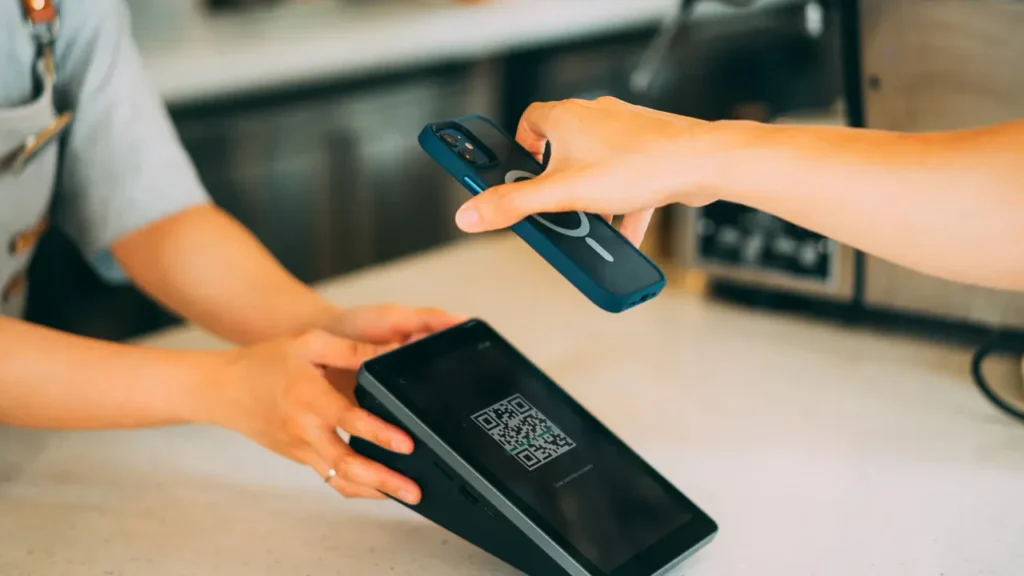
You can send money to a UPI ID from the USA, but not from your US bank app directly: you use an international transfer service that offers UPI payout to India. You enter the recipient’s UPI ID, pay from your US bank account or card, and the rupees land in the Indian bank account linked to that UPI ID, often within minutes.
Quick answer
How do you send money to a UPI ID from the USA?
Use a licensed transfer service that offers UPI as a delivery option, such as Western Union, Xoom or Remitly. Choose UPI, enter the recipient’s UPI ID and name, fund the transfer from your US bank account or card, and check every character of the UPI ID before you confirm.
Facts checked in November 2026 against official sources. Rules and fees change, so confirm with the provider before you act.
This guide walks through the steps, the details you need, the checks that prevent a lost payment and the costs to watch, for students, H-1B families and anyone sending money home.
How UPI works for transfers from the USA
UPI, the Unified Payments Interface, is India’s real-time payment system, run by the National Payments Corporation of India (see NPCI’s page on the Unified Payments Interface). It moves money instantly between Indian bank accounts through mobile apps.
A UPI ID looks like an email address, for example name@okbank or a phone number followed by @ and a bank handle. Each UPI ID is linked to one Indian bank account. Your US bank cannot pay it directly, so a transfer company does the currency conversion and pays the UPI ID on the Indian side.
Think of it as two legs. The US leg is a normal transfer from your bank account or card. The India leg uses UPI instead of a bank account number and IFSC code.

Which US services pay out to a UPI ID
Several large providers list UPI as a delivery option for India on their own pages. Their terms change, so check the app before each transfer.
| Provider | What you enter | How you can pay | Speed they state |
|---|---|---|---|
| Western Union | UPI ID, full name, linked bank details | Bank transfer, debit card, credit card | May be within minutes, depending on bank processing |
| Xoom (PayPal) | UPI ID | PayPal, bank account, credit or debit card | Typically within 15 minutes |
| Remitly | Shown in the app | Shown in the app | Not stated on its India page |
Limits for UPI payouts vary. Western Union says its limits depend on regulations and the recipient bank and points you to its cost calculator, and Xoom says fees and limitations apply. For large sums such as property payments, a wire transfer to India from a US bank is usually the better tool.

Send money to UPI ID from USA: step by step
The steps are similar in every app. Have the recipient’s details ready before you start.
- Ask the recipient for their UPI ID in writing, by text or WhatsApp, and their full name as their bank shows it.
- Open your transfer app, choose India and pick UPI as the delivery method.
- Enter the amount in dollars and review the exchange rate and the rupee amount your family will receive.
- Type the UPI ID and name, then compare them with the message, character by character.
- Choose your US bank account as the payment method, or a card if you accept the extra cost.
- Confirm, save the receipt and send the reference number to the recipient.
New arrivals who do not have a Social Security number yet can still do this with many providers; see how to send money to India without an SSN. You do need a US bank account or card to fund the transfer, and you can open a bank account with an ITIN instead of an SSN. Some apps also ask for a reason for the transfer; our guide to the purpose code for sending money to India explains what to pick.

Check the UPI ID before you press send
UPI payments are fast, which also means a mistake moves fast. A single wrong letter can send money to a stranger, or the transfer can fail and take days to come back to you.
- Never copy a UPI ID from a social media post or an unknown caller: get it from the person directly.
- If the app shows the account holder’s name, make sure it matches the person you expect.
- Send a small first amount to a new UPI ID, then the rest once your family confirms it arrived.
- Watch for fake “refund” requests asking you to pay a UPI ID to get money back.
Before using a provider for the first time, read whether it is safe to send money to India online, which covers how to check that a company is licensed.
NRIs paying their own UPI ID
If you are an NRI with an NRE or NRO account in India, you can also send money to yourself. NPCI allowed NRE and NRO accounts linked to international mobile numbers from a list of countries, including the US, to use UPI. Your Indian bank decides whether it supports this, so ask it first. If you are still in India, plan ahead and open a US bank account from India before you move.

Costs, the 1% tax and speed
The real cost is the fee plus the gap between the provider’s exchange rate and the market rate. A “no fee” offer can still deliver fewer rupees, so compare the final rupee amount on the confirmation screen.
How you pay matters too. Funding from a US bank account or a US-issued debit or credit card keeps you outside the 1% US remittance tax on money sent to India, which applies to cash and money orders. Western Union notes that third-party charges may apply to debit card payments, and a credit card issuer may treat the transfer as a cash advance with its own fees, so ask your card issuer first.
Speed depends on the provider, the amount and verification checks. A first transfer often takes longer while the provider confirms your identity. For timelines by method, see how long it takes to send money to India.

Frequently asked questions
Can I send money to a UPI ID from a US bank app?
Not directly. US bank apps and Zelle pay only US accounts or use international wires. To pay a UPI ID you need a transfer service that offers UPI payout to India and supports sending from the US.
What if I send money to the wrong UPI ID?
Contact the provider immediately with the reference number. If the money reached the wrong person, recovery may depend on that person or their bank. US rules give you error rights in some cases, so report it in writing quickly.
Does the recipient need anything besides a UPI ID?
The UPI ID must be active and linked to an Indian bank account. Some providers also ask for the recipient’s full name and bank details. If a payout fails, the recipient should ask their bank whether it accepts international payments through UPI.
Next step: know what to do if a transfer goes missing
Most UPI transfers arrive quickly, but if one does not, act fast. Read what to do when money sent to India is not received, and check whether you can Zelle money to India before you plan regular payments.
For every option side by side, see our guide to sending money to India from the USA.