

The 1% US remittance tax applies to money you send to India only when you pay the provider with cash, a money order, a cashier’s check or a similar paper instrument. If the transfer is funded from a US bank account or a US-issued debit or credit card, the tax does not apply. That one detail decides whether the US remittance tax on India transfers costs you anything at all.
Quick answer
Does the 1% US remittance tax apply to money sent to India?
Only if you pay with cash, a money order, a cashier’s check or a similar physical instrument. Transfers to India funded from a US bank account or a debit or credit card issued in the US are excluded. The sender owes the 1%, and the provider collects it at the counter.
Facts checked in November 2026 against official sources. Rules and fees change, so confirm with the provider before you act.
This guide explains the rule for families, students and workers who send money home, using the law and the IRS proposed rules. It is general information, not tax advice.
What the 1% remittance tax is
The tax comes from section 4475 of the Internal Revenue Code, added by the 2025 tax law the IRS calls the One, Big, Beautiful Bill. It is a 1% federal excise tax on remittance transfers made after December 31, 2025, from the United States to recipients in other countries.
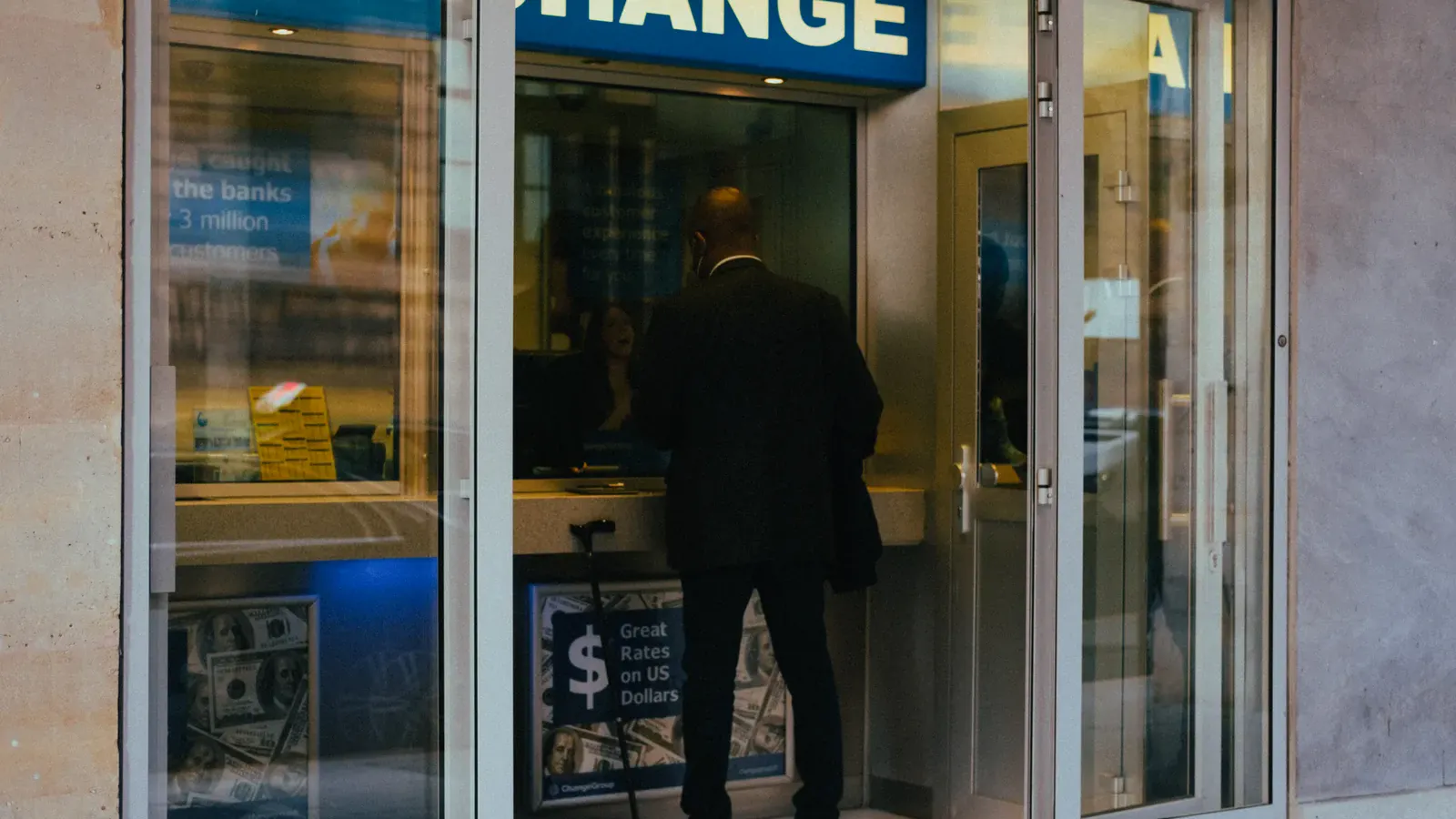
The IRS describes the scope in its announcement of the proposed remittance transfer tax regulations: the tax applies when the sender pays with cash, a money order, a cashier’s check or another similar physical instrument. The sender is liable, and the remittance transfer provider collects it.
It is not an income tax and not a gift tax. It does not depend on your visa, your citizenship or how much you earn. It looks only at how you pay for the transfer.

US remittance tax India rules: what is taxed and what is not
The law exempts money that comes out of the banking system. Transfers funded from an account at a bank or other covered financial institution, or with a debit or credit card issued in the US, are outside the tax. The proposed rules add traveler’s checks to the taxable list, and treat a check that the provider cashes for you as cash.
| How you pay the provider | 1% tax? | What to know |
|---|---|---|
| Cash at a store or agent counter | Yes | $10 on a $1,000 transfer, collected with the fee |
| Money order | Yes | Listed in the law as a physical instrument |
| Cashier’s check | Yes | Also listed in the law |
| Traveler’s check | Yes, under the proposed rules | The IRS treats it like a money order |
| US bank account in an app or online | No | Excluded as account-funded |
| Debit or credit card issued in the US | No | Excluded by the law |
| Bank wire from your US account | No | Funded from a bank account |
| General-use prepaid card | Not listed as taxable | Proposed rules include an anti-avoidance rule |
The rules are still proposed, so the treatment of edge cases such as prepaid cards could change when the IRS finalises them. If you fund transfers in an unusual way, ask the provider how it applies the tax before you pay.
Who actually pays and how it is collected
You owe the tax but file nothing yourself. The provider adds the 1% at the point of sale, deposits it with the IRS and reports it on its quarterly excise tax return, Form 720. If a provider fails to collect it, the IRS says the tax becomes the provider’s liability.
How much it costs on a typical transfer
Under the proposed rules, the 1% is charged on the amount that will be delivered to your recipient, not on the provider’s service fee. Here is what that means in practice.
- Sending $500 in cash: about $5 in tax, on top of the provider’s fee.
- Sending $2,000 by money order: about $20 in tax.
- Sending $2,000 from your checking account in a transfer app: no remittance tax.
The tax is small per transfer, but it adds up for families who send cash every month: $500 a month in cash costs about $60 a year.

How to send money to India without the 1% tax
The legal way to avoid the tax is simply to fund the transfer from a bank account or a US card instead of paper money. There is nothing to apply for.
- Open a US checking account if you do not have one yet.
- Link the account to a licensed transfer provider, or use your bank’s own international transfer.
- Choose bank account or US debit card as the payment method.
- Compare the fee and exchange rate shown before you confirm, since a card can cost more than a bank debit.
- Keep the receipt with the reference number.
If a bank asked for an SSN you do not have, see how to open a bank account with an ITIN instead of an SSN, or how H-1B workers open a bank account on an H-1B visa before the SSN arrives. Our guide on how to send money to India without an SSN covers the provider side.
Paying into UPI does not change the rule: when you send money to a UPI ID from the USA with a bank-funded app, the tax does not apply. A wire transfer to India from a US bank is also account-funded.

Refunds, India’s TCS and other taxes
If a cash-funded transfer is canceled or expires and the money comes back to you, the IRS says the sender may claim a refund of the tax. The IRS form for this is Schedule 6 of Form 8849. The provider cannot claim that refund for you.
The US tax is separate from India’s tax collected at source (TCS). TCS is collected in India on certain money going out of India, not on money your family receives from abroad. Your relatives in India do not pay the US 1% tax.
It is also separate from US gift tax rules for large amounts. Our guide to how much money you can send to India from the USA without tax explains gift limits and IRS reporting, and when to ask a tax professional.

Where the rules stand
The IRS published proposed regulations in April 2026 and took public comments until June 12, 2026. In October 2026, IRS Notice 2026-52 extended penalty relief for providers until final regulations apply, so the details may still change.
Frequently asked questions
Does the 1% remittance tax apply to apps like Remitly or Western Union?
It depends on how you pay, not on the brand. A transfer funded from a US bank account or a US-issued debit or credit card is excluded. If a provider lets you pay in cash at an agent location, the 1% applies to that transfer.
Is Zelle or a bank wire affected by the remittance tax?
A bank wire to India is funded from your bank account, so it is excluded. Zelle does not send to India today; see our guide to whether you can Zelle money to India for the current status.
Do H-1B or F-1 visa holders pay the remittance tax?
Visa status does not matter. Anyone in the US who sends a transfer abroad and pays with cash, a money order or a cashier’s check owes the 1%. Funding the same transfer from a bank account or US card avoids it.
Do I report the 1% remittance tax on my own tax return?
For a normal transfer, no. The provider collects the tax and reports it on Form 720. If a cash-funded transfer was canceled and refunded, you may claim the tax back. Ask a tax professional if you are unsure.
Next step: check that your transfer actually arrives
Once you fund transfers from a bank account, the next worry is delivery. Read what to do when money sent to India is not received, and see whether you can Zelle money to India before you plan your next transfer.
For every option side by side, see our guide to sending money to India from the USA.